The Final Decision on Anything Rests On
When evaluating an embroidery design for real-world use, it's important to consider how it translates from digital file to finished product. The Final Decision on Anything Rests On is a design that carries a powerful message and visual presence. As an experienced designer and reviewer, I've had the chance to work with this design in several practical scenarios—most recently when preparing a custom embroidered sweatshirt for a boutique client—and I’m ready to share my honest take.
A Confident and Thoughtful First Impression
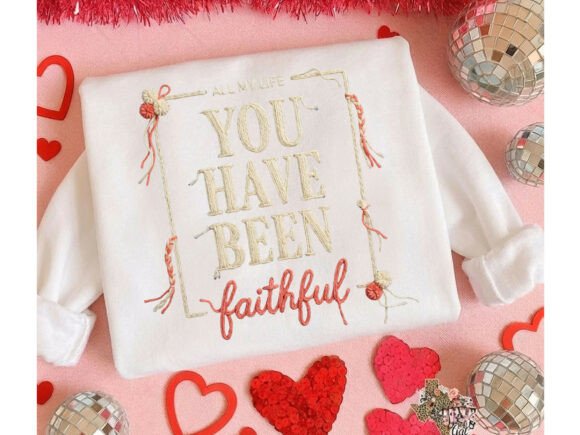
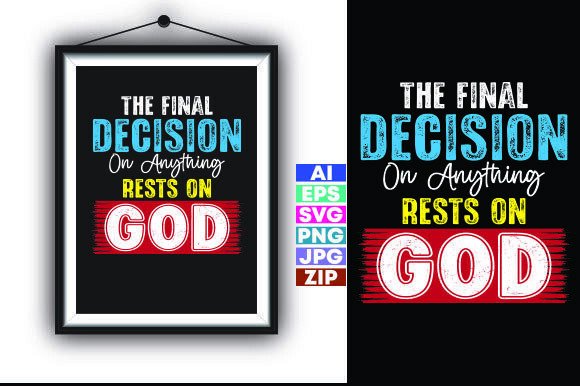
Right out of the gate, The Final Decision on Anything Rests On stands out with its bold typography and clear, centered layout. The phrase itself is both spiritual and motivational, making it ideal for customers who want their handmade or commercial products to reflect faith, strength, or personal conviction. The design feels intentional, with a balance between negative space and filled areas that makes it versatile for different applications.
Visually, the text has a strong contrast and well-defined lettering. It doesn’t rely on intricate details or tiny elements, which is a big plus for embroidery. This kind of simplicity allows the design to maintain clarity even after stitching, especially when using satin stitch outlines and fill stitches. The shape of the design is rectangular but not overly rigid, giving it a clean and modern look while still feeling approachable.
What Kind of Project Does It Fit?
This design naturally belongs on projects like sweatshirts, t-shirts, tote bags, aprons, and even nursery decor. Its message works especially well on items that are meant to be worn close to the heart or given as personalized gifts. For example, when I used it on a 50/50 cotton-polyester sweatshirt, the result was striking yet tasteful. The text read clearly from a distance, and up close, the quality of the satin stitch outlines showed attention to detail without being overwhelming.
Real-Life Embroidery Performance
As an embroidery file, The Final Decision on Anything Rests On performed admirably across multiple substrates and formats. When converted into an applique design, it maintained its integrity and stitched smoothly on medium-weight fabrics. The editable AI, SVG, and EPS files allowed me to adjust the size and color scheme easily to match the project’s aesthetic—something essential for any craft business or Etsy seller looking to offer customization options.
- Custom Apparel: The design adds a meaningful touch to custom sweatshirts and t-shirts. It’s great for creating small-batch runs for a church group or a personalized unisex line.
- Baby Clothes & Nursery Decor: While the theme might not fit every baby item, it can work beautifully on gender-neutral pieces if paired with softer thread colors and subtle textures.
- Tote Bags and Aprons: These are perfect candidates. The flat surface and sturdy fabric allow the design to show off its full potential without distortion.
- Patches and Caps: Be cautious here. The design could become cramped on smaller patches or curved surfaces like caps unless you simplify or reduce the density of the embroidery.
I also tested it on a few holiday gift ideas—like embroidered tea towels and pillow covers. In each case, the design retained its readability and visual impact. Customers loved how professional it looked, especially when paired with a minimalist background. It added just the right amount of personality without overshadowing the rest of the design elements.
Where to Use It Carefully
While The Final Decision on Anything Rests On is a solid choice for many projects, there are some situations where extra attention is needed:
- Small Hoop Sizes: If you're working with a tight hoop area, you may need to scale down the design carefully. Without adjusting stitch density, the text could appear cluttered or lose clarity.
- Textured Fabrics: The design’s fine lines and smooth curves can get lost on fabrics like canvas or denim. Always test with stabilizer to ensure the stitches don’t distort.
- Thin or Stretchy Fabrics: Avoid using it on delicate materials like silk or spandex unless you reinforce with cutaway stabilizer and use lighter stitch counts.
- Dark Backgrounds: Thread color selection becomes crucial here. Lighter shades will pop better than darker ones, so experiment with your color palette before finalizing the design.
- Products That Need Frequent Washing: Because this design uses more dense stitch areas, it’s best suited for items that won't undergo heavy wear and tear unless properly stabilized and stitched with durable threads.
Design Notes for Maximum Impact
Before jumping into production, I recommend taking these steps to ensure the design looks its best:
- Test it on scrap fabric first to evaluate how the stitch patterns hold up under tension.
- Check thread color contrast against your chosen fabric—especially if you're planning to sell this as part of a handmade product or personalized gift.
- Review the stitch density. If the design includes fill stitch or running stitch areas, make sure they’re not too thick for the fabric you're using.
- Confirm the recommended hoop size. If you're working with a tote bag design, larger hoops will give you more flexibility.
- Inspect small details like corners and edges. Since this is a text-based design, sharp angles and uniform spacing are key to maintaining professionalism.
- Create black and white mockups to see how the design would look without color—this helps in understanding its structure and adaptability.
- Compare it on both light and dark fabric backgrounds. You might find it needs a slight outline or shadow effect to stand out.
- Use proper stabilizer, especially if you're embroidering stretchy or thin materials. A lack of stabilization can lead to puckering or misalignment.
- If selling finished products or digital embroidery files, double-check licensing terms to avoid any legal issues.
Visual Appeal and Brand Value
One of the things I love about The Final Decision on Anything Rests On is how it elevates the product value and customer trust. It’s not just another trendy phrase—it speaks to a deeper emotional connection. As a result, it enhances the giftability of items, making them feel more special and thoughtful.
In terms of brand consistency, this design is excellent for businesses or creators who want to build a cohesive line of sweatshirt embroidery or nursery decor. The message is timeless and adaptable, allowing it to blend well with other design assets and themes.
From a buyer engagement perspective, it’s a winner. People notice the phrase and often ask questions, which leads to more conversation around your handmade shop or craft business. That kind of curiosity can boost sales, especially if you're targeting niche markets like spiritual apparel or meaningful home goods.
Final Thoughts for Embroidery Designers and Sellers
The Final Decision on Anything Rests On is a reliable and expressive design that can add depth to your embroidery project. Whether you're creating a custom piece for a client or designing digital product previews for your Etsy shop, this design brings a sense of purpose and elegance.
However, like any good machine embroidery design, it requires thoughtful application. Don’t assume it will work perfectly on all fabrics or in every format. Take time to understand how the stitch types interact with your material choices and what kind of stabilizer you’ll need to support the design during the process.
If you're looking for a design that bridges the gap between art and message, The Final Decision on Anything Rests On is worth considering. Just remember to tailor it to your specific project and audience. With the right adjustments, it can become a standout feature in your collection of T-Shirt Designs and Graphics.