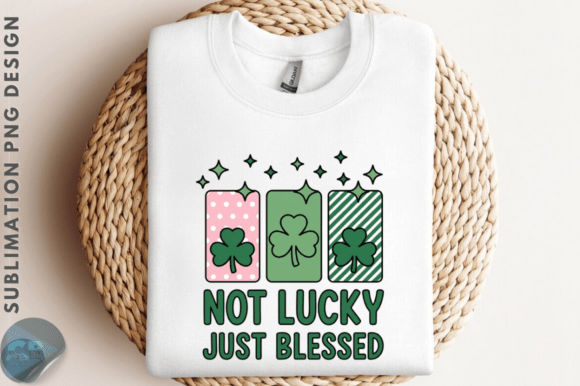
St Patrick’s Not Lucky, Just Blessed PNG Review
As an experienced embroidery designer and product reviewer, I’ve seen my fair share of digital graphics come and go. When I first laid eyes on St Patrick’s Not Lucky, Just Blessed PNG, I knew it had the potential to bring a fresh twist to holiday-themed projects. This design isn’t just another festive graphic; it has character, balance, and visual appeal that make it worthy of deeper consideration before you stitch it into your next project.
First Impressions: Mood and Visual Personality
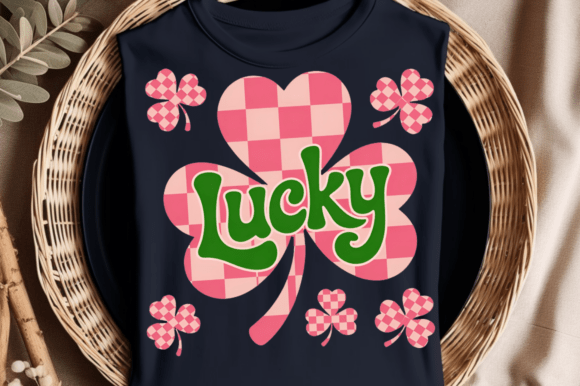
The St Patrick’s Not Lucky, Just Blessed PNG immediately stands out with its clean lines and bold message. The text is large enough to be legible at a glance, while the supporting imagery—likely clovers or other St. Patrick’s Day symbols—adds just the right amount of detail without overwhelming the composition. It carries a warm, positive tone that feels both modern and timeless, making it suitable for a wide range of creative applications from personal gifts to commercial products.
I appreciate how the transparent background allows for easy integration into mockups or layered designs. As someone who frequently works with digital embroidery files, this kind of flexibility is a big plus. However, it's important to remember that this is a non-editable PNG file, so if you're looking for customization beyond resizing and positioning, you'll need to source a compatible vector or embroidery file separately.
Real-World Use in Embroidery Projects
When evaluating any design for real-world use, I like to imagine how it would look on actual products. For example, let’s say you're creating custom sweatshirts for a St. Patrick’s Day event or personalized tote bags for your Etsy shop. In these cases, the St Patrick’s Not Lucky, Just Blessed PNG could serve as a great base for an embroidered patch or a printed transfer.
Its layout is centered and symmetrical, which makes it ideal for placements on front pockets, hoods, or tote bag handles. The font used is clear and stylized but not too ornate, ensuring it remains readable even when scaled down. This is especially important for baby clothes or small items like caps and hats, where space is limited and simplicity is key.
For holiday gifts, such as embroidered kitchen towels or pillow covers, this design brings a cheerful, meaningful touch. It can also work well in nursery decor or boutique-style apparel, particularly if you’re aiming for a subtle yet impactful aesthetic. The 300 dpi resolution ensures crisp printing or high-quality transfers, which is essential for handmade products that are meant to be displayed or sold online.
Where to Use With Care
While this design is visually appealing, there are some practical limitations to consider. Because it’s a flat PNG file rather than a layered embroidery file, it may not translate perfectly into stitched form without additional tweaking. Here are a few scenarios where you might want to tread carefully:
- Small hoop sizes: If you plan to digitize the design yourself, keep in mind that intricate details might get lost when shrinking it down for tiny hoops. Test scaling before finalizing your embroidered patch or cap embroidery.
- Textured fabrics: The fine lines and possibly soft gradients in the design might not show up clearly on rougher materials like denim or canvas. Consider using a smoother fabric for better visibility.
- Stretchy or thin fabric: These can cause distortion or shadowing, especially if the design includes subtle shading or outlines. A heavier-weight cotton or interlock knit would likely hold up better.
- Dark backgrounds: Thread color contrast is crucial. If you're working with black or navy-colored apparel, white or metallic thread will pop best. Always do a test run on a scrap piece of fabric to confirm visibility.
- Detailed corners and lettering: If the design contains intricate edges or tiny fonts, they may require extra attention during stitching. You’ll want to inspect those areas closely after the initial test stitch.
- Layered garments: Placing the design on a thick or multi-layered item like a hoodie or blanket can affect the overall clarity and texture of the embroidery.
- Products needing frequent washing: Since this is a non-stitched graphic, if you're printing it onto fabric (rather than embroidering), ensure the ink or dye is properly set for longevity.
Design Impact on Product Value and Customer Engagement
A design like St Patrick’s Not Lucky, Just Blessed adds more than just decoration—it adds meaning. That kind of emotional connection can elevate your craft business and increase the perceived value of your handmade product. Whether you're creating a personalized gift for a client or adding it to your Etsy listings, the phrase itself invites warmth and positivity, which customers respond to.
In terms of brand consistency, this design fits well with themes around celebration, gratitude, and faith. It can be part of a curated collection of design assets for seasonal offerings or used in printable mockups to showcase your finished product to buyers. The visual personality of the design is friendly and approachable, which aligns nicely with the vibe of most small shop merchandise and craft fair products.
Designer Notes for Best Results
Before you commit to using St Patrick’s Not Lucky, Just Blessed PNG in your embroidery projects, here are some practical tips I recommend:
- Test on scrap fabric first: Especially if you’re planning to print or transfer it onto textiles, check how the colors appear under different lighting and after washing.
- Review thread color contrast: Make sure the colors you choose stand out against your fabric. Sometimes what looks good on screen doesn't translate well in person.
- Check stitch density and coverage: If you're using it as a base for digitizing, pay close attention to how fill stitches interact with the image. Too dense and it becomes stiff; too sparse and it loses definition.
- Confirm hoop size requirements: Since the design is 2500 x 2500 px, it may require a larger hoop depending on your machine and how you scale it.
- Inspect small details: Look at the corners, curves, and inner spaces of letters and shapes. These often become problematic in production unless accounted for early.
- Use proper stabilizer: Whether it's tear-away, cut-away, or wash-away, the right stabilizer can help maintain the integrity of the design, especially on stretchy or delicate materials.
- Test in black and white: Sometimes the true impact of a design only shows up when viewed in grayscale. This helps assess whether the message and shape still hold without color.
- Compare light and dark fabric backgrounds: See how the design performs on both ends of the spectrum. This will guide you in choosing the best thread colors or application method.
- Ensure compatibility with commercial use: If you're an Embroidery Project seller or planning to offer this as part of a commercial embroidery kit, double-check licensing terms to avoid legal issues later.
Final Thoughts for Makers and Sellers
In summary, St Patrick’s Not Lucky, Just Blessed PNG is a versatile and expressive design that can enhance a variety of embroidery projects. Its balanced layout and thoughtful wording make it a strong candidate for anything from casual custom apparel to premium handmade gifts. But don’t skip the testing phase—especially if you’re planning to adapt it into a machine embroidery design or apply it via print methods.
For creative entrepreneurs and small business owners, this design offers a chance to add depth and sentiment to your Illustrations and Graphics portfolio. It’s not just about what looks good on screen, but how it translates into tangible, wearable art. Take time to evaluate how it interacts with different thread colors, stitch types, and fabrics to ensure it meets the expectations of your customers and clients.
Ultimately, St Patrick’s Not Lucky, Just Blessed is a design that speaks to the heart. Used wisely, it can turn a simple garment or accessory into something memorable. Just remember—while the design may carry a message of blessing, it’s up to you to ensure it’s applied with care and intention in your embroidery project workflow.