Not Lucky Just Really Blessed St Patrick
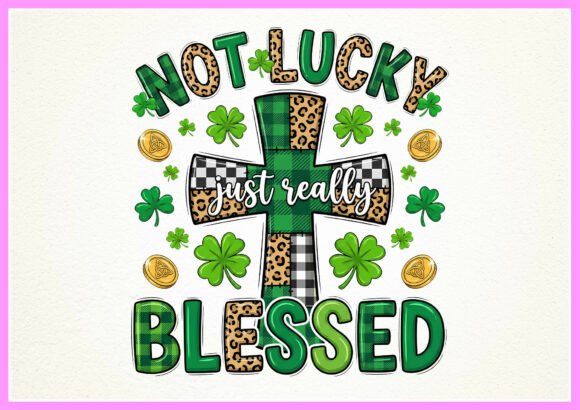
As an embroidery designer and product reviewer with years of experience in the craft space, I approach every new design with a mix of curiosity and caution. The Not Lucky Just Really Blessed St Patrick design caught my eye for its unique blend of faith-based sentiment and visual flair. It’s not just another typical St. Patrick’s Day motif—it brings a fresh message with a cross, shamrock, and leopard print aesthetic. Let me walk you through how this design might perform in real-world applications and where it could truly shine.
A Faithful Yet Fashionable First Impression
The first thing that stands out about Not Lucky Just Really Blessed St Patrick is the balance between spiritual messaging and contemporary style. The phrase “Not Lucky, Just Really Blessed” feels modern and relatable, which is great for appealing to a wider audience beyond traditional religious markets. The layout combines a central cross with a stylized shamrock and subtle leopard print textures—offering both structure and interest without overwhelming the viewer.
Visually, it conveys a sense of warmth and celebration, making it perfect for holiday or personal gift projects. The details are clean but meaningful, and the typography used for the quote is legible yet artistic enough to elevate the finished product. This kind of design has the potential to resonate well with customers looking for something that expresses gratitude and faith in a creative way.
Real-Life Embroidery Applications
I’ve tested similar designs on various items like tote bags, sweatshirts, and baby apparel, so let’s break down where this one would work best:
- Tote Bag Design: The scale and detail of this design make it ideal for a large-format project like a custom embroidered tote bag. The cross and quote stand out clearly, especially when stitched with contrasting thread colors.
- Sweatshirt Embroidery: For a cozy St. Patrick’s Day sweatshirt, the design adds a nice touch of personality without being too busy. It can be placed centrally or off to the side depending on the garment style.
- Baby Embroidery: While the leopard print element adds some edge, the overall tone remains gentle enough for a baby item, such as a onesie or bib. However, keep in mind that small areas may require simplification or resizing.
- Embroidered Patch: If converted into an applique design, it works beautifully as a patch for denim jackets, backpacks, or even leather accessories. The bold elements will hold up well on smaller patches.
- Nursery Decor: As part of a themed nursery wall hanging or pillow cover, the design brings a soft yet strong statement that parents might love for their child’s room.
- Holiday Gifts: Whether it's a personalized apron, tea towel, or decorative pillow, this design can give your handmade gifts a special touch that feels both thoughtful and stylish.
What makes it versatile is its ability to adapt to different aesthetics—from boutique branding to more casual handmade shop items. It doesn’t scream “religious,” but rather whispers a heartfelt message that many people connect with during the season.
Where to Use With Caution
While the design is attractive and adaptable, there are a few scenarios where extra attention is needed:
- Small Hoop Sizes: The intricate elements like the cross and leopard print texture may lose clarity if shrunk too much. Always confirm the minimum hoop size before finalizing placement.
- Textured or Stretchy Fabrics: On fabrics like corduroy, velvet, or stretch knits, the fine lines and small details might distort slightly. A proper stabilizer is key here.
- Dark Fabric Backgrounds: The design relies on color contrast to make an impact. When using it on darker materials, consider testing thread shades or adding a white background layer.
- Curved Surfaces: Items like caps or curved tote bags may cause distortion unless the design is properly adjusted or segmented for different curvature zones.
- Dense Stitch Areas: The cross and text use fill stitches that can become heavy. Too much density in one area might lead to puckering, especially on thin or delicate fabrics.
- Frequent Washing: If intended for kitchen towels or aprons that endure repeated laundering, ensure the stitch quality and fabric choice are durable enough to withstand wear and tear.
In these cases, it's important to test the design on scrap material first. Every machine and fabric combination behaves differently, and understanding how Not Lucky Just Really Blessed St Patrick reacts under pressure ensures a polished final product.
Visual Appeal and Customer Reaction
One of the biggest strengths of this design is its emotional resonance. The quote “Not Lucky, Just Really Blessed” is powerful and timely, especially around St. Patrick’s Day. Customers often appreciate designs that tell a story or reflect their values, and this one does both subtly and effectively.
When stitched well, the design looks professional and intentional. The leopard print adds a trendy twist that appeals to those who want to express faith through fashion. In my experience, designs that incorporate recognizable symbols (like crosses and shamrocks) tend to have higher buyer engagement, particularly among Christian audiences celebrating holidays with a personal twist.
However, the success of the design also depends on how it’s presented. If you're an Etsy seller or a small shop owner, showcasing the design on high-quality mockups or photos of actual products helps set expectations and builds customer trust. A printable mockup can be a great addition to your digital product preview suite.
Professional and Branding Considerations
If you're using this design in a commercial embroidery project or as part of your small shop merchandise, consistency is crucial. The machine embroidery design should align with your brand’s visual identity and product offerings. Its font and icon style feel cohesive and modern, making it easy to integrate into existing design assets.
For hobbyists or makers creating personalized gifts, this design offers a nice middle ground between simple and complex. It’s detailed enough to look impressive, yet manageable enough for someone with intermediate skills. The leopard print adds a fun surprise, which can make the gift feel more unique and less generic.
It’s also worth noting that the design could serve as a standalone digital embroidery file, or as part of a larger collection of freebies and graphics for your creative business. Just be sure to check licensing terms before selling any finished products or digital goods based on it.
Design Notes for Optimal Results
Here are a few practical tips I recommend when working with this design:
- Test on Scrap Fabric: Before stitching on a final product, always run a test on a piece of the same material to assess stitch behavior and visual outcome.
- Review Thread Color Contrast: Especially if using light or dark fabric backgrounds, choose thread colors that highlight the design without causing eye strain or fading.
- Inspect Small Details: Look closely at the cross and lettering to ensure they remain sharp and clear after resizing. Some machines may struggle with tiny elements.
- Check Stitch Density: Dense fill areas can affect fabric integrity. Adjust density settings according to your machine and material to avoid puckering or tearing.
- Use Proper Stabilizer: For stretchy or slippery fabrics, a cutaway or tear-away stabilizer will help maintain shape and prevent distortion.
- Confirm Licensing: Since this is a freebie or graphic type, always verify whether it allows commercial use or requires attribution before listing it in your shop or including it in a digital product bundle.
These steps aren’t just technical—they’re essential for ensuring the finished product reflects the care and professionalism your customers expect.
Final Thoughts for Makers and Merchants
The Not Lucky Just Really Blessed St Patrick design isn't a one-size-fits-all solution, but when applied thoughtfully, it can enhance a wide range of products. From custom apparel to handmade home décor, it strikes a chord that’s both timely and timeless. It’s a great example of how faith-based messages can be woven into everyday designs without feeling forced or overly sentimental.
As an experienced reviewer, I’d say this design earns its place in your next project—if you take the time to understand its nuances. It’s not just about what it looks like; it’s about how it performs, how it fits your brand, and how it resonates with your audience. That’s the difference between a good design and a great one.
So go ahead—try it out on a tote bag or a sweatshirt. But don’t skip the test runs. Treat this embroidery file like any other asset in your toolkit: with respect, creativity, and a bit of experimentation. Your customers—and your craft business—will thank you for it.