God Saved My Life Embroidery Design Review
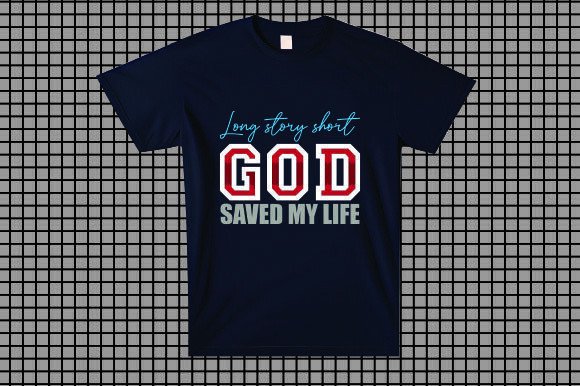
As an embroidery designer who has tested countless digital embroidery files, I approach each new design with a mix of curiosity and critical eye. The phrase “Long Story Short, God Saved My Life” immediately caught my attention—not just for its message, but for the potential it holds as a machine embroidery design. This isn’t your average slogan stitched into fabric; it’s a design that tells a story through layout, typography, and visual impact. Here's how I see it performing in real-world embroidery projects.
A First Look: Mood and Layout
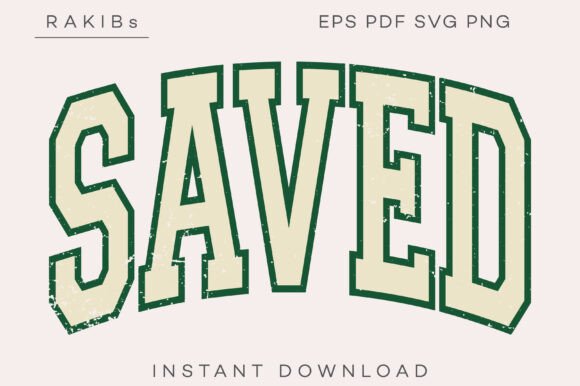
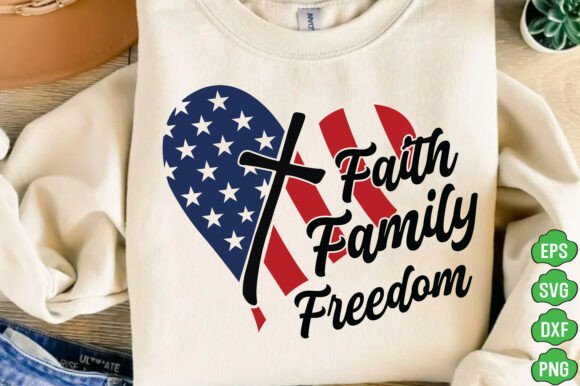
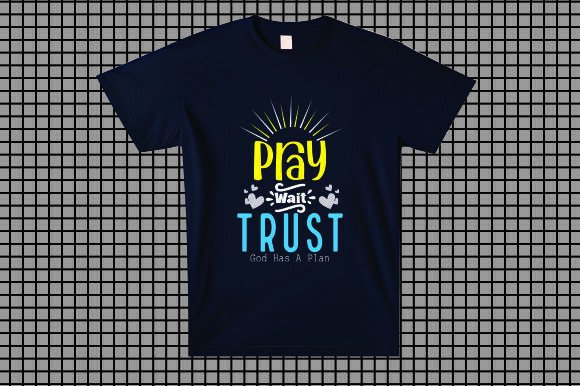
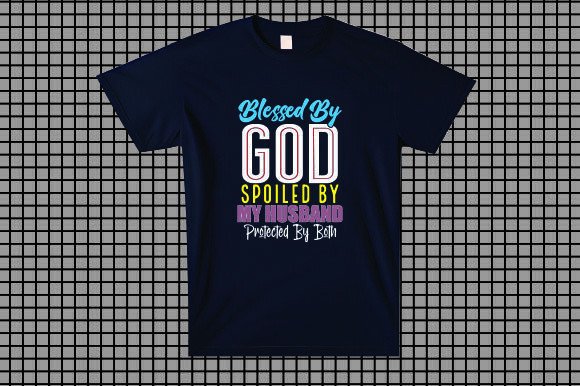
The moment I opened the High Quality JPG file included with this design, I felt the emotional weight behind the words. It's bold, confident, and clearly intended to be a statement piece. The layout is clean, with generous spacing between letters, making it suitable for a variety of products beyond basic t-shirts—think sweatshirts, tote bags, or even custom patches. The use of modern fonts gives it a friendly yet professional tone, ideal for both personal and commercial applications.
I noticed the design leans more towards a graphic-based aesthetic rather than intricate stitch detail. That makes it great for custom apparel where clarity and legibility are key. While it doesn't scream "highly detailed," it does offer enough character to stand out on plain garments without overwhelming them.
Where This Design Fits Best
- Tote Bag Design: The large, readable text works well on cotton canvas, especially when paired with a soft stabilizer and satin stitch outlines.
- Sweatshirt Embroidery: On heavier knits like fleece or French terry, the design maintains its presence and readability without getting lost in texture.
- Baby Clothes: With minor adjustments to thread colors and stitch density, it could serve as a meaningful personalized gift, though care must be taken with stretchy fabrics.
- Holiday Gifts: Imagine this on a cozy throw pillow or a decorative apron. The message feels warm and genuine, perfect for seasonal handmade items.
Real-Life Embroidery Performance
Let’s imagine I’m preparing to embroider this onto a custom sweatshirt for a client. The first thing I’d do is check the hoop size required. Since the design is text-heavy, it likely needs a larger hoop to accommodate the full phrase comfortably. Without knowing exact dimensions, I recommend testing it on scrap fabric before committing to a finished product.
Next, I consider thread color contrast. The design looks best on light-colored backgrounds with dark thread. If you're planning to use it on a white sweatshirt, black or navy thread will make the words pop. But if you’re going for a minimalist look, maybe a gray or muted blue could work too. Always test on similar fabric to ensure the contrast meets your expectations.
Stitch type distribution is also important. The main text seems to use a combination of satin stitch for outlines and running stitch for inner details. This is efficient and helps reduce bulk while maintaining clarity. For a tote bag project, I’d opt for a slightly denser running stitch in the fill areas to prevent fraying after multiple washes.
Visual Appeal and Customer Reaction
This design creates a strong emotional connection. As a handmade product element, it brings authenticity and a sense of purpose. When I think about how customers might react, I picture it being popular among those looking for meaningful gifts or faith-inspired fashion. The phrase itself is relatable and powerful, which can increase buyer engagement and perceived value.
For Etsy sellers and small shop owners, this kind of design adds a touch of professionalism to listings. A transparent PNG print preview shows off the design clearly on mockups, making it easier for buyers to visualize how it’ll look on their favorite hoodie or tote. It’s not flashy, but it’s memorable—something that can help build brand recognition over time.
Use With Caution: Practical Limitations
While the design is versatile, there are some limitations to keep in mind. Here are a few scenarios where it may need extra attention:
- Small Hoop Sizes: The phrase is long and may require a minimum hoop size to avoid distortion. If you're working with limited space, consider shortening the text or resizing carefully.
- Textured Fabrics: On materials like flannel or denim, the stitch types may not lay as smoothly. Using a tear-away or cut-away stabilizer could help maintain sharp edges.
- Thin or Stretchy Fabrics: These can cause misalignment or puckering, especially around corners or curved parts of the letters. Test stitching is essential here.
- Dark Fabric Backgrounds: The design relies on high contrast, so using it on black or navy may require bright thread colors. Be sure to review the thread palette options.
- Curved Surfaces: Embroidering this on a cap or curved surface may lead to stretching unless you adjust the design accordingly. Manual tweaking of letter placement can improve results.
Design Integrity in Stitches
One thing I always look for is how the design handles corners and tiny lettering. In this case, the word “Short” and “Saved” have some delicate curves and angles. If your machine struggles with tight turns, these areas might need reinforcement. Also, since there’s no mention of stitch count, it's smart to open the SVG or AI file (included) to get a better idea of complexity before finalizing a project.
Designer Notes for Real Project Use
Here are a few practical tips I’ve picked up while integrating this design into various embroidery projects:
- Test on Scrap Fabric: Before embroidering a final product, always run a test piece to evaluate stitch behavior and appearance.
- Check Thread Color Contrast: Especially if you're aiming for a specific aesthetic, like vintage or modern minimalism. Adjust thread colors to match your vision.
- Review Stitch Density: Too dense and it can pucker; too loose and it may lack definition. Balance is key, especially on tote bags or thick sweaters.
- Confirm Hoop Size: Make sure your hoop can handle the entire design without forcing it into a smaller area, which could distort the text.
- Inspect Small Details: Zoom in on the digital files to ensure all elements translate well to stitch form. No hidden flaws!
- Test in Black and White: Sometimes, color choices can affect how the design reads. A monochrome version can help determine if the layout holds up without color.
- Compare Light and Dark Backgrounds: This will help you decide which thread combinations and stabilizers to use based on visibility needs.
- Use Proper Stabilizer: Depending on the fabric and garment type, select the right stabilizer to support the stitches and prevent shifting.
- Confirm Licensing: If you plan to sell the finished product or include it in digital design packages, double-check licensing terms. The product description doesn’t specify, so contact the seller to confirm before selling.
Commercial and Boutique Applications
For small business owners and craft business operators, this design could become a signature item. Whether used on branded sweatshirts, personalized baby clothes, or holiday-themed aprons, it offers a consistent visual identity that builds trust with repeat customers. Its simplicity also allows it to blend well with other design assets, making it easy to integrate into cohesive branding efforts.
On the flip side, if you're targeting a boutique or nursery decor market, the phrase might feel too direct or heavy-handed. You'll want to pair it with softer elements or complementary graphics to balance the mood.
Final Thoughts: A Thoughtful Statement in Stitch Form
“Long Story Short, God Saved My Life” isn’t just another T-Shirt Designs asset—it’s a design with intention. It speaks to those who appreciate faith-based messaging in a clean, accessible format. As a designer, I respect how it translates from screen to fabric, and as a reviewer, I find it valuable for both personal and commercial embroidery projects.
However, it’s not a one-size-fits-all solution. The success of this embroidery file depends heavily on context: fabric choice, hoop setup, and customer audience. Take the time to understand how it behaves under different conditions, and don’t be afraid to tweak it to suit your style or the needs of your craft business.
If you're considering adding this to your collection of embroidery project ideas, I’d say it's worth the investment—for the right application. Just remember to test it thoroughly and adapt where needed. After all, that’s what makes embroidery not only artful but truly functional and beautiful.