Easter Lily Art Deco Stained Glass Print: A Designer’s Honest Review
As a designer and embroidery product reviewer who’s worked with countless digital files, I always approach a new embroidery design with both curiosity and caution. The Easter Lily Art Deco Stained Glass Print caught my eye for its unique aesthetic—something that blends sacred symbolism with the geometric flair of the art deco era. Let me walk you through how this design holds up in real-world applications and what it might mean for your next project.
First Impressions: Elegance Meets Detail
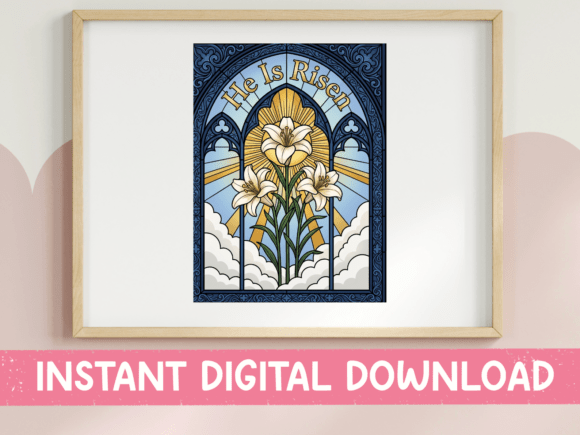
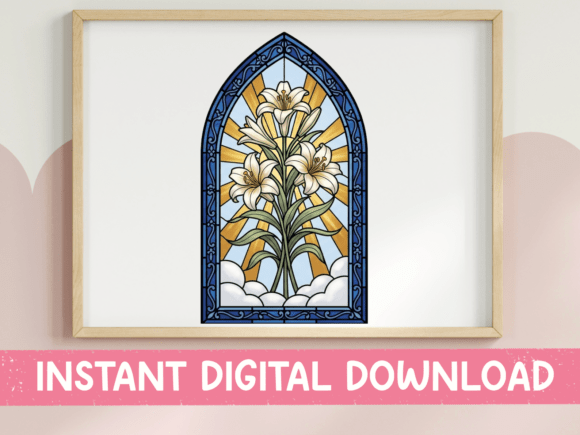
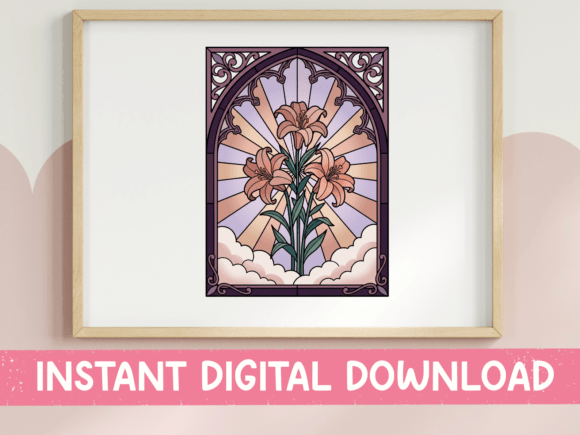
The moment I opened the digital embroidery file, I was struck by the balance between simplicity and sophistication. This is not just another floral pattern—it’s an elegant composition of pink and white lilies rising from soft clouds, framed by golden sunburst rays against a lavender sky. The stained glass effect gives it a refined, almost ethereal look, while the clean lines and symmetry are unmistakably art deco.
Visually, the design feels like it belongs in a boutique or high-end handmade product. It evokes a sense of calm, reverence, and timeless beauty. That said, as someone who focuses on practical application, I immediately started thinking about where this design would work best—and where it might fall short if not handled carefully.
Real-World Use Cases: Where This Design Shines
I imagine the Easter Lily Art Deco Stained Glass Print being most effective on larger items where the detail can breathe and the overall visual impact is strong. Here are a few scenarios where it could truly come to life:
- Tote bag design: The scale of the design makes it perfect for a custom tote, especially one used for Easter gifts, church events, or spring-themed collections. The lavender sky adds a subtle background pop without overwhelming the fabric.
- Sweatshirt embroidery: For a cozy, meaningful sweatshirt, the golden sunburst rays can be stitched using metallic threads for a luxurious touch. The soft clouds add dimension and movement, making the piece feel dynamic even in motion.
- Baby clothes and nursery decor: The gentle pastel tones and floral motif make this a great choice for baby apparel or embroidered wall hangings. It conveys warmth and grace, which are essential for such intimate projects.
- Holiday gifts and personalized products: Whether it's a monogrammed pillow cover or a decorative tea towel, this design brings a level of professionalism and charm that stands out in any gift basket.
- Commercial embroidery for small shops: If you're an Etsy seller or run a craft business, this could serve as a signature design asset. Its artistic quality elevates your offerings and helps build brand consistency over time.
What I appreciate most is that the design doesn’t scream for attention but instead invites the viewer to admire its craftsmanship. This subtlety is a big plus for anyone looking to create finished products with emotional resonance.
Thread Color and Fabric Compatibility
One thing I noticed early on is that the thread colors play a major role in the final look. The pink and white lilies contrast well with the lavender sky, but I’d recommend experimenting with different color palettes before committing to a batch of custom apparel. Especially when working with darker fabrics, the visual punch may diminish unless the contrast is amplified.
For lightweight cotton or linen, this design works beautifully. However, if you're planning to use it on stretchy materials like spandex or knits, expect some distortion unless you adjust stitch density or choose a compatible stabilizer.
Design Notes for Embroidery Projects
Before jumping into production, there are several key points to consider when working with the Easter Lily Art Deco Stained Glass Print:
- Test on scrap fabric first: Always stitch the design on a sample before moving to the final product. This will help you see how the fill stitch behaves and whether the details hold up under tension.
- Review stitch density: The stained glass patterns require precise satin stitch control. Too loose, and they’ll appear faded; too tight, and the fabric could pucker or tear.
- Confirm hoop size: While the product description doesn't specify, it’s crucial to verify the recommended hoop size. Given the design’s complexity, I’d suggest going with at least a 6x10 inch hoop for optimal results.
- Inspect small details : The cloud outlines and delicate sunburst rays need careful attention. These elements could easily become muddled if the machine isn’t properly calibrated or if the fabric is too coarse.
- Use proper stabilizer: To maintain shape and clarity, especially on curved surfaces or stretchy materials, back stabilization is a must. Tack glue or cutaway stabilizers will preserve the integrity of the design.
Also, don’t skip the mockup test. Try printing a printable mockup of the design on both light and dark backgrounds to get a better idea of how it’ll perform once stitched. This step is invaluable for digital product sellers and commercial embroidery projects alike.
Where to Use with Caution
While this design is undeniably beautiful, it’s not a one-size-fits-all solution. Here are some situations where I’d advise extra care:
- Small hoop sizes: The intricate stained glass sections won’t translate well if the hoop is too cramped. You risk losing important visual cues.
- Textured or thin fabrics: On materials like felt or jersey knit, the fine lines of the sunburst and lily petals might not stitch cleanly. Consider using a finer thread or adjusting the stitch type.
- Dark fabric backgrounds: The muted palette of the design needs a lighter base to really stand out. If you’re set on a dark fabric, opt for brighter thread colors or incorporate applique designs for more contrast.
- Curved surfaces (e.g., caps or hats): The geometric nature of the design may struggle on rounded areas. Unless you're willing to do some manual tweaking, stick to flat surfaces like tote bags or aprons.
- Products needing frequent washing: The dense stitching in the center of the lilies could lead to stiffness or wear over time. Lighter stitch coverage or alternative thread types may be necessary here.
Remember, every embroidery project is unique. What works for one client may not suit another. Take the time to adapt the design to your specific materials and end goals.
Customer Reaction and Market Fit
From a consumer perspective, this design has a strong visual personality. People love seeing something that feels handcrafted yet modern. As an embroidered patch or part of a holiday gift, it’s likely to generate positive reactions—especially among those who appreciate religious or symbolic motifs with a stylish twist.
In terms of product value, using this design on a t-shirt design or sweatshirt embroidery can elevate your pricing potential. It signals quality and thoughtfulness, which is exactly what today’s shoppers are looking for in handmade or boutique items.
However, keep in mind that not all audiences will connect with the theme. If your target market prefers minimalist or bold graphic styles, this might not be the right fit. But for niche audiences—like those drawn to sacred art, vintage aesthetics, or seasonal design assets—this could be a standout.
Practical Application Tips for Crafters and Makers
Here are a few tips I’ve learned from years of testing machine embroidery designs that apply particularly well to this piece:
- Use a black-and-white mockup to check for clarity and ensure no elements are lost in translation due to thread color choices.
- If you plan to offer this as a digital embroidery file for resale, double-check the licensing agreement. Some designs require attribution or have restrictions based on commercial use.
- Consider layering the design subtly behind other text or symbols. It can act as a decorative accent rather than the main focus, especially on personalized gifts or branded apparel.
- For small shop products, pair it with complementary elements—think simple typography or minimal line drawings—to maintain a cohesive look across your collection.
It’s also worth noting that this design could work wonders on home décor items like pillow covers or kitchen towels. The lavender and gold tones give it a warm, inviting presence that fits well in many interior styles.
Final Thoughts: A Thoughtful Addition to Your Embroidery Toolkit
The Easter Lily Art Deco Stained Glass Print is a versatile and visually appealing graphics option for those seeking a touch of elegance in their embroidery. It’s ideal for creating handmade products that feel intentional and refined. As a designer, I’m always on the lookout for pieces that enhance professionalism and customer engagement without compromising on usability.
That said, don’t take my word for it. Experiment with the embroidery file on different materials and in various formats. Observe how it reacts to changes in lighting, texture, and context. Only then will you know if it’s the right fit for your creative process or craft fair products.
Ultimately, the Easter Lily Art Deco Stained Glass Print is a design that rewards attention to detail. With the right approach, it can transform your custom apparel and handmade gifts into memorable, high-quality items that speak volumes about your craft.